
Improving Diagnostic Practices
In retired life, Dr. Khatib remained professionally active. He addressed an area of diagnostic practice while dealing with the trauma of Geargie exhibiting symptoms of dementia. He soon thereafter found himself challenging a faulty diagnosis of Alzheimer’s disease. In working to resolve Georgie’s medical problem he underscored the need for improved diagnostic practice in such cases. Alzheimer’s Disease is often the “default diagnosis” in dementia cases, and that can have the effect of halting or limiting more extensive efforts to precisely identify the nature of a patient’s decline.

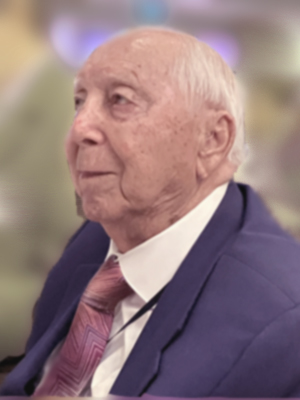 In 2015, Georgie developed memory problems that were at first incorrectly diagnosed, and she was placed on Alzheimer’s medications. Reza was not satisfied with the thoroughness of the testing procedures that Georgie had received, and arranged a neurological consultation at New York’s Mount Sinai Hospital that included a revealing Amyloid PET Scan. That consultation and PET scan ruled out Alzheimer’s Disease and led to an intensive search for the true cause. Full cardiac testing revealed the actual problem and the correct type of treatment. A pacemaker was prescribed and regularly monitored for effect, and results were good with this intervention. The pacemaker eliminated that source of Georgie’s memory loss.
This graph provides an overview of that study’s results

More about Kane Center and University of Miami can be seen
on the Foundation and Foundation Project Overseas pages.
Also see Medicare’s Updated Policies in cases of suspected Alzheimer’s disease.